Maintain Your Siding
How to Spot Rotting Exterior Trim Before It Causes Major Damage
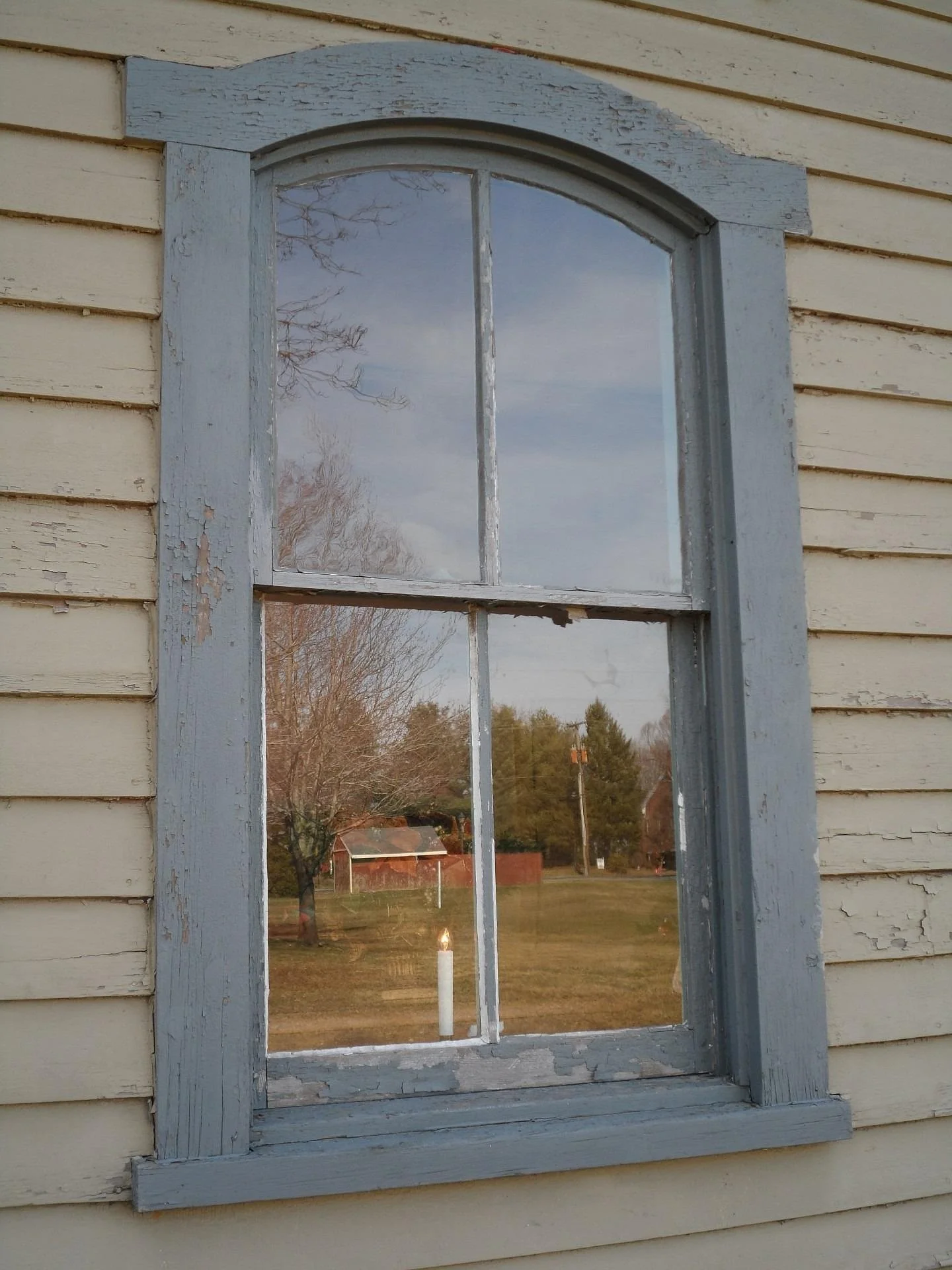
Your home’s exterior trim does more than improve curb appeal — it also protects your home from moisture and structural damage. When trim begins to rot, water can spread into siding, insulation, and even interior walls if left untreated.
The good news is that early signs of rot are usually easy to spot.
4 Warning Signs of Rotting Trim
1. Soft or Spongy Wood
Press gently on exterior wood with your finger or a screwdriver, especially around window sills, door frames, and trim boards. If the wood feels soft or gives under pressure, moisture has likely caused rot beneath the surface.
2. Peeling or Bubbling Paint
Paint that is bubbling, cracking, or peeling often signals trapped moisture underneath. This is one of the earliest and most common signs of hidden wood damage.
3. Dark Stains or Discoloration
Look for brown, gray, or greenish discoloration on wood surfaces. These stains are often caused by prolonged moisture exposure and mildew growth.
4. Cracked or Crumbling Wood
Warped boards, cracks, or wood that breaks apart easily are strong indicators that water has penetrated the material and caused deterioration.
Common Areas Where Rot Develops
Window sills and trim — Water tends to collect at the lowest points around windows
Door frames and jambs — Especially where wood comes into contact with the ground
Corner boards — Areas where siding panels meet are vulnerable to moisture intrusion
Eaves and roofline trim — Overflowing or damaged gutters can force water back into fascia boards
Don’t Wait to Make Repairs
Rotting trim will not improve on its own. The longer it goes untreated, the more expensive and extensive the repairs can become. Replacing damaged wood early helps protect your home and preserves the life of your paint job.
If you suspect rotting trim or siding around your home, contact A State of Paint for a free exterior inspection and professional recommendations.